Tag Archives: stroke

Rehab Journal Review: February 2015

BMJ, 24 February 2015

“Irrational drug prescribing, kickbacks for referrals, and unnecessary investigations & surgical procedures” – testimonies from 78 doctors on the malaise afflicting India’s private healthcare system are part of a book written by Dr Arun Gadre. This commentary in BMJ titled “India’s private healthcare sector treats patients as revenue generators” gives an indication to the extent, intensity and the near-inevitability of these practices. Clichéd, but Shankar-KamalHassan were spot on in describing why it would be difficult to stem the rot. Dishonesty is so omnipresent, that we as a society have stooped low enough to accept it as a virtue. The state, the big brother who’s supposed to watch over, itself is the perpetrator. How else to explain government medical colleges juggling teaching faculty and movable infrastructure in the name of “deputation” to falsely get through MCI inspections. Coming back… the author of this article does suggest ” the only solution for India would be accountable social regulation of the private medical sector and the movement towards a combination of social insurance and a tax based system for universal healthcare”. Amen.

Annals of Internal Medicine, February 2015

Nutritional advice to patients with pressure ulcers have more similarities to MS Dhoni’s decisions on-field than James Watt’s energy calculations. Impromptu, I-believe-in-my-logic decisions that wouldn’t count as science. This blinded randomized trial “A Nutritional formula enriched with Arginine, Zinc and Antioxidants for the healing of pressure ulcers” tries to make sense of the issue. 200 patients recruited from 7 centers. Great effort. But I can’t understand why they chose to end the study at 8 weeks, instead of waiting until complete healing of ulcers, which is what matters. For what it’s worth, supplementation did seem to help. Needs work though. #thesisalert

NEJM, 11 February 2015

Acute stroke management with thrombolysis is a mixed bag. Recent systematic reviews could not make up their mind on the specifics or on whether benefits clearly outweighed the risks. This new RCT on “Rapid Endovascular Treatment of Ischmic Stroke” takes sides. In fact, the study had to be halted midway since the treatment was found to be definitely more beneficial than controls. The abstract conclusion, for a change, is well-worded, describing clearly the population to which the results could be extrapolated, and is grounded in facts “Among patients with acute ischemic stroke with a proximal vessel occlusion, a small infarct core, and moderate-to-good collateral circulation, rapid endovascular treatment improved functional outcomes and reduced mortality.”

JAMA, 27 Jan 2015

I’ve known healthcare professionals and patients who have blind immense faith on topical antimicrobials Povidone Iodine (Betadine) and Chlorhexidine, so much so that I won’t be surprised if they add a bit of the conspicuously colored fluid to their food. I wonder if this article “Chlorhexidine bathing and health care-associated infections” would make at least a dent in their belief. “…daily bathing with chlorhexidine DID NOT REDUCE the incidence of health care–associated infections including central line associated blood stream infections, catheter associated urinary tract infections, ventilator-associated pneumonia, or C difficile. These findings do not support daily bathing of critically ill patients with chlorhexidine”

From the mainstream media

My Own Life” is a #NYT article by Oliver Sacks, the neurologist author of the unmistakably titled book “The man who mistook his wife for a hat“. He says he has metastatic malignancy, and ponders aloud on the life he has lived. “I cannot pretend I am without fear. But my predominant feeling is one of gratitude. I have loved and been loved; I have been given much and I have given something in return; I have read and traveled and thought and written…Above all, I have been a sentient being, a thinking animal, on this beautiful planet, and that in itself has been an enormous privilege and adventure”. Sounds like words of a man who has made peace with life.

19sacks-superJumbo

***

Liked in twitter: Ben Goldacre at his usual irreverant best

Tagged , , , , , , , , , , , , , , , , ,

The circus of research publication: Why you should be wary of mainstream media trumpeting ‘promising cures’

for-a-fair-selection-everybody-has-to-take-the-same-exam-please-climb-that-tree

 “Everybody is a genius. But if you judge a fish by its ability to climb a tree, it will live its whole life believing that it is stupid. What is your genius?”- Somebody

Is there a worse conflict-of-interest situation than that fires a majority of scientists, academicians, clinicians and researchers across the globe to publish research articles? I don’t think anything could beat the obscene and unscrupulous nexus between MSD, Srinivasan, BCCI and CSK.(1) The problem with the publication mania, though, is that it directly or indirectly affects every human being in the world.

For the perspective, I give you my own predicament. I am a clinician, and my primary job is clinical work. That means I need to see patients in the outpatient department, admit and manage those who need inpatient care, ensuring that as a doctor I do justice to all my patients in a manner that is as scientific as possible. So, what do you think would be the single most important metric that is used to assess my performance to grant me my promotion next year? Surprise! It’s not what I do to my patients. That is almost irrelevant in the current system of objective appraisals. I would get my promotion ONLY if I have at least one publication in a good scientific journal as a first or second author. And to get my next two promotions, I should have at least 6 publications in the next 7 years. I could be good, or pathetic, with my patients. What matters though is the ‘count‘ of the publications I have. That’s right. Not the quality or impact, but the numbers. It’s a shame that is the way many like me would be assessed, but THAT is the rule. Do read the opening sentence again to see who is for company.

Almost every decision made by doctors in treating illnesses is supposed to be based on research findings. It therefore becomes crucial to consider every research article in light of this coercive professionalism, where many publish not because they have something to publish, but because they have to publish something. ‘Publish or perish’, is the terminator-esque phrase used to refer to this academic pressure. And it is this one factor that leads people to conduct and publish research on things unlikely to contribute to a better healthcare. When the choice is between what is easy and what is right, it is difficult for many to forego the first option.  Big pharma influencing, often not legitimately, every aspect of research, marketing and sales, and regulators turning a blind eye to everything that is happening only adds to the seemingly utter wretchedness of the scenario. (2)  I don’t believe things are actually as bad as what a prominent researcher says in a heavily cited ‘research on research’ article: Why Most Published Research Findings Are False.(3) It may not be the 90% that he claims, but even a conservative estimate of 25% of bad research findings would mean that a significant number of treatments in the world are not scientific enough. In this age, it is no less than criminal negligence. Unfortunately, most people uninvolved in this business are either ignorant or indifferent to the issue.

So, how do we actually get to know what treatment works and what not? Or, whether an intervention causes more good than harm in the balance? Thankfully, in these troubled waters, in an attempt to ensure that we fall not to individual indiscretions but to collective ones, there is a consensus system to rate the strength of available scientific evidence. The table can be found here as given in the website of the Center for Evidence Based Medicine.(4) Translating to human parlance, at the risk of oversimplification, in the order of strongest to worst scientific evidence, bet your life on it if it is a properly done:

  1. Systematic Review

As the name suggests, systematically analyzing all previously done good quality studies evaluating one particular treatment

  1. Randomized controlled trial.

Abbreviated as RCT, this is the best study design in general to evaluate the efficacy of an intervention. Every new intervention is studied in different phases. Phases 0 and 1 just test the waters. Phase 2 studies are the ones that actually check if the treatment is effective or not. If yes, Phase 3 studies are done to fine tune dosing and side-effect profile, and then the intervention is marketed pending regulator approvals. It might be worth noting that none of the so-called stem cell treatments have so far gone beyond phase 1 or 2, but they do get published. And get trumpeted as if they are beyond phase 3 and ready for marketing.

  1. Case controlled study or Cohort study (when it is not possible or ethical to do an RCT)

Now for the bad ones. Put your money elsewhere if it is a

  1. Case series or case report.
  2. Expert opinion. This includes ‘opinions’ from an esteemed scientist, your professor, favorite doctor, best-selling book author, magazine columnist, vociferous blogger, peer, friend, spouse, me- personal opinions are the least dependable, and are considered next to nothing in terms of scientific evidence. Unscientifically clustered personal opinions of many people are no better either, not unlike democracy that often facilitates unanimity of choice that beggars belief.

In the backdrop of professional compulsions, technical complexities of doing good quality research, and big pharma corrupting whatever they can to sell their products, throw into the mix mainstream media willing to stoop however low to grab a share of followers and ratings to boost their earnings, you have the picture complete. Attention-mongering headlines, at times absurd, might be catchy, with nothing more to them in reality. Need a sample? BBC News – Stroke stem cell trial shows promise.(5) In the larger scheme of things, most research reported by non-scientific general media is not ready for human consumption. The articles are out there to serve the personal interests of someone somewhere, and definitely are not messengers of better health for the end-users: you, and me.

References:

  1. ET bureau. MS Dhoni facing a flurry of bouncers for CSK conflict. The Economic Times [Internet]. 2014 Mar 28 [cited 2014 Jun 11]; Available from: http://articles.economictimes.indiatimes.com/2014-03-28/news/48662904_1_ms-dhoni-mahendra-singh-dhoni-arun-pandey
  2. Goldacre B. Bad Pharma: How Drug Companies Mislead Doctors and Harm Patients. Reprint edition. Faber & Faber; 2013. 448 p.
  3. Ioannidis JPA. Why Most Published Research Findings Are False. PLoS Med [Internet]. 2005 Aug [cited 2014 Jun 10];2(8). Available from: http://www.ncbi.nlm.nih.gov/pmc/articles/PMC1182327/
  4. Levels of Evidence 1 [Internet]. 2013 [cited 2014 Jun 10]. Available from: http://www.cebm.net/index.aspx?o=1025
  5. Stroke stem cell trial shows promise [Internet]. BBC News. [cited 2014 Jun 10]. Available from: http://www.bbc.co.uk/news/science-environment-22678144
Tagged , , , , , , , , , , , , ,

Rehab Journal Review- May 2014


Loosener

Do you go blind and gaga over all the numbers thrown at you in the name of health statistics? Beware. This work on spurious calculations found that the number of films Niclas Cage appeared in inversely correlates with helicopter accidents killing occupants that year. Go figure.


Spinal Cord May 2014

368 The title makes it obvious this has to be from a Scandinavian database- “50 years follow-up on plasma creatinine levels after spinal cord injury”. Pulling out data of 119 persons with SCI, from as long back as 1945, the Danish authors conclude “The findings of this study support that p-creatinine is a poor detector of early renal deterioration, and until new tests like Cystatin C are further evaluated we recommend Cr-EDTA clearance as the gold standard in monitoring renal function in patients with SCI”. Though not by formal testing, we too found indicators of uselessness with blanket testing of creatinine in our annual SCI follow-up event attended by over 200 persons. Check creatinine only if there is specific suspicion of significant renal dysfunction.


400 This article from Toronto on Spinal Cord Essentials claims to be a qualitative+ semiquantitative one. The Canadian authors talk about their initiative to provide a comprehensive set of patient information leaflets that would be tailored to individual needs during and after the course of rehabilitation. And they’re free to download. Excellent. I sampled a couple of them, and I’m jealous. We are for long stuck at a much preliminary stage of hand-out preparations; I’m hopeful, though. As the popular jewellery ad concludes, hope is everything.


Archives of PMR, March 2014

506 A multidisciplinary team of co-authors from Alabama have reported the use of MRI Diffusion Tension Imaging to visualize what has long been suspected in motor recovery following stroke. “CorticoSpinal Tract disruption predicts the level of motor deficit, but not the response to Constraint-Induced therapy rehabilitation… suggests that the neural mechanisms critical for …recovery of motor function after damage to the CNS may differ substantially from the neural substrates that are critically involved in motor function before CNS damage”. “These findings emphasize the importance of a neural network consisting of bilateral sensorimotor cortices and hippocampus for response to CI therapy after damage to the CST, presumably acting as a neural compensatory mechanism”. Lesson: do not give up even if you see a bad MRI. Give at least one good trial targeting functional improvements. There are invisible compensatory mechanisms that could work.


515 Thesis alert. “Unrestricted educational grant from Allergan” in the conflicts section adds a bit of salt to the findings of this study which compared clinical (Modified Ashworth and Tardeau scales) and instrumented (surface EMG, torque) assessments of spasticity before and after Botox injections. As expected, clinical assessments did not predict response to Botox. What is interesting is that Instrumented assessment did. “In general, muscles with higher pathologic electromyography activation at baseline tended to be good responders and vice versa.” “…baseline RMS electromyography showed the highest sensitivity to identify responders. Conversely, the MAS and MTS have no predictive ability”.  It would be worth testing the utility of such EMG based tools in predicting response to different intervention modalities – casting, motor point injections, nerve blocks etc. Currently, we have none.


562 Thesis alert. An example of how not to interpret the effectiveness of an intervention. This systematic review on Comparative Effectiveness of Platelet-Rich Plasma Injections for Treating Knee Joint Cartilage Degenerative Pathology has included all the right type of figures and tables, but loses its credibility because it makes tall claims based on results pooled from very poor quality studies. Of the 16 included studies, there was just one study that used a control group (that received saline injections). Lesson: If logistics could be worked out, a properly done double blinded RCT is indicated and should be possible.


Archives of PMR, April 2014

642 Our own paper! Survival analysis of 490 persons with spinal cord injury in our follow-up area. 86% survival after 5 years, 58% after 25 years. The follow-up data over such a long period is very good for a private tertiary care hospital in India. Survival outcomes are good for a developing country, could be better. One major limitation was that we could not add a social context because of the lack of a denominator- total number of SCIs in the population under study over this period. That, for now, is beyond the scope of our institution.


Practice tid-bits

  • What type of exercises should be advised in knee osteoarthritis? This systematic review suggests focusing on “improving aerobic capacity, quadriceps muscle strength or lower extremity performance.” Supervised, three times a week seems to help better. The best part is, “Such programs have similar effect regardless of patient characteristics, including radiographic severity and baseline pain”.
  • Should Botox be injected only at specific points along muscles? This RCT says it doesn’t matter whether the injection is given at the so-called motor points at 20-30% length from origin, or way down below the middle of the gastrocs muscle in persons with stroke.
  • Do you ever ask female patients whether they have stress incontinence? You probably should, irrespective of what condition they present to you with. Not just patients, stress incontinence could be as common as 1 in 3 women aged 35-55. And the humble, do-it-anywhere pelvic floor exercises afford a definite and significant improvement in symptoms and quality of life, says this recently updated Cochrane review. For a better perspective, do read this no-nonsense post by a therapist. In your practice, remember to ask, and prescribe pelvic floor muscle training.


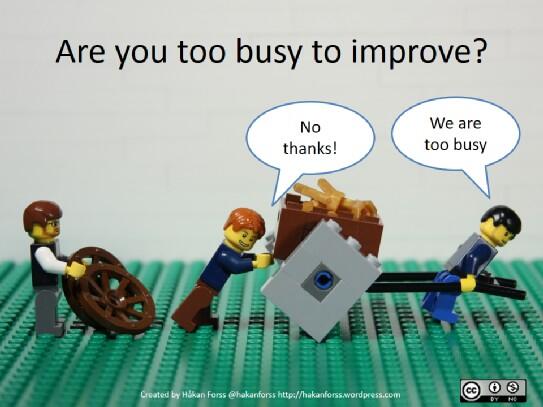
From twitter: Busy does not always mean productive.

Embedded image permalink

Tagged , , , , , , , , , , , , , , ,

Rehab Journal Review: March 2014

Archives of PMR, January 2014

10 Education helps, at least for a year. That’s the finding in this American study on effectiveness of an education protocol for wheelchair use in persons with Spinal Cord Injury. The study protocol was based on evidence based guidelines published in 2005. I was curious. Turns out, unsurprisingly, that the quality of evidence for most of the 35 enlisted recommendations was poor. That is not different from most other EB guidelines for anything related to rehabilitation. THE need, therefore: less junk research. For anyone interested in doing good research, a repeat reading of Ionnidis’ wonderful article “Increasing value and reducing waste in research design, conduct and analysis” would do no harm.

87 Assessment of Participation (life in real world) is one outcome measure that could mean more than any other surrogate in-hospital assessment for rehabilitation. In this study from Utrecht, Netherlands, the authors compared their own tool ‘USER-Particpation’ against two others- ‘IMPACT-S’,  ‘WHODAS-II’. The authors claim their tool was “generally satisfactory”, and that “the IMPACT-S showed the best psychometric properties”. ‘Validating a tool’ is among the many things I need to read and do more to understand better.

94 Often, an honest opinion based on clinical judgment, suggesting discharge-to-home, or outpatient follow-up for continued therapy is not received well. Neither by the referring doctors, nor the patients and family. In this background, the key findings of this meta-analysis of RCTs on Economic Evaluation of Adult Rehabilitation are heart-warming. “This review found high-level evidence that rehabilitation in the home or community is less costly than inpatient rehabilitation (for stroke)… It also found that the secondary outcomes of function, quality of life, discharge destination, and mortality were not compromised when patients received the less costly intervention…The results of cost savings without compromise to patient outcomes for rehabilitation in the home appear to be similar to rehabilitation in the community and outpatient rehabilitation services.” We need region and disability specific data for our country to see if these findings still hold good. And, to spread the message.


Archives of PMR, February 2014

269 It’s risky to draw inferences from observational studies on interventions. Against the findings of the above mentioned meta-economic-analysis, conclusions such as this must be interpreted cautiously-“The volume of inpatient rehabilitation therapy and mortality were significantly inversely related in the patients with ischemic stroke”. The association is probably true, needs to be looked into, but there is this small issue of confounders. The authors have recommended changes in practice, based on these findings. I would hesitate to do so.


Spinal Cord, January 2014

49 To cystoscope or not, ask the authors about persons with SCI on chronic indwelling catheter drainage. The answer is in favor of regular screening to pick up pre-malignant lesions, which are not quite uncommon as previously suspected, it seems. How many of those really progress to malignant lesions? We need to tread cautiously, to avoid unnecessary panic. There are lessons to be learnt from the PSA/prostate screening fiasco. Our own data would make more sense. We have a reasonably good cohort following up regularly over the last couple of decades. We haven’t had a single known mortality related to bladder malignancy. Are we missing something, or it’s just that we are different?


65 “The WISCI II (to assess walking in SCI) has high IRR and intrarater reliability and good reproducibility in the acute and subacute phase when administered by trained raters”. Yes, that’s why we intend to start using it routinely, hopefully this month onwards.


Spinal Cord, February 2014

163 Simple things bring about big changes with the right type of impact. Czech authors report that Intermittent Catheterization in tetraplegia patients might not be hard to achieve, in those with levels C5 and below. They report use of positioning splints and ‘ergohand device’ to achieve this. It’s a small group of patients, but that’s not the point. The overall health benefits of such could be significant.


I’d recently retweeted something on doctor burn-out: “If you want to discourage workers, subject them to policies and procedures that don’t make sense.” And read a related corollary ““If we want doctors to do better work, we need to give them better work to do.”

Tagged , , ,

Rehab Journal Review: October 2013

Blame it on procrastination. This initiative has had a stuttering course from idea to action. Though inspired by a family physician who took no vacation in 15 years of weekly journal reviewing, I can’t assure even a second month. These musings are an expression of a self-learning process in interpreting scientific research, and the reader is encouraged to take these with a generous pinch of salt. Articles that find a mention here are those that are likely to be relevant to practice of rehabilitation medicine as I understand at my current workplace. Non-mention does not mean to undermine clinical significance otherwise, but would imply just my ignorance. Any tinge of irreverence in these passages might not be entirely unintended. What is written about here would be constrained by the availability of full texts, electronic or hardcopy (The paywalls, grrr). Hence, I’m starting with just the dated Archives of PM&R, Volume 94, No 6, June 2013. Do send in no-holds-barred feedbacks to make the learning more purposeful and mutual.

Conflicts of interest: Nothing to do with the industry. I’m likely to be biased in favor of evidence based healthcare, and against clinical studies that do not have clinically relevant hard endpoints as outcome measures.

A recently concluded MD thesis in our department studied the efficacy of an indigenously designed peroneal nerve stimulator (PNS) in gait of persons with stroke. This study from the Case Western Reserve University was done to see if there is any motor relearning with such PNS compared to usual care (AFO when necessary). The stimulator they used was a commercial product with a pressure-sensing foot-switch to detect heel rise at pre-swing (we had used a hand-operated manual switch). Better technology didn’t prove to be too beneficial though; the authors have been honest with the results in concluding “there was no motor relearning in either … groups”. More importantly, at 6 months, usual care fared as well as the stimulator in terms of functional mobility and quality of life. PNS will have to wait.

Taiwanese authors aren’t far behind in honest conclusions in their study on mirror therapy in chronic stroke. They conclude “application of mirror therapy…may not translate into daily functions in the population with chronic stroke”.

It takes just two hours to instill confidence in use of manual wheelchair among older adults who are completely inexperienced previously, as this paper reports. Let’s remember to find those 2 hours for each of our KAFO dependent functional-walkers too; will come handy sometime, somewhere.

This could have been easily dismissed as just an observational study, but the authors conclude “Long-stay home care patients who receive rehabilitation at home have improved outcomes and lower utilization of costly health services. Our findings suggest that investment in PT and OT services for relatively short periods may provide savings to the health care system over the longer term.” Encouraging words for anyone keen on population rehabilitation (a derivative of the term population medicine advocated by Muir Gray).

Robotics might be the next big thing in rehabilitation, but in this before-after clinical intervention study, there is nothing for anyone as of now, probably except for the uber-rich interested to try out some toys. I am a fan of Tony Stark’s excursions in his gizmo suit, in case you doubted that I’m an anti-technologist.

Didn’t know about wearable laser Doppler flowmetry probes; that’s the only thing to know from this study. Could someone suggest how to put these probes to better use, design a good study and come out with a clinically useful prediction model for pressure ulcer incidence.

Glad to find friend and former colleague Apurba Barman’s name in the list of reviewers acknowledged in this edition of Archives of PMR (the links would not lead to full-texts if your institution does not pay for online editions of the linked journals, please see the print edition instead. The paywalls *!@#$*)

Tagged , , , , ,